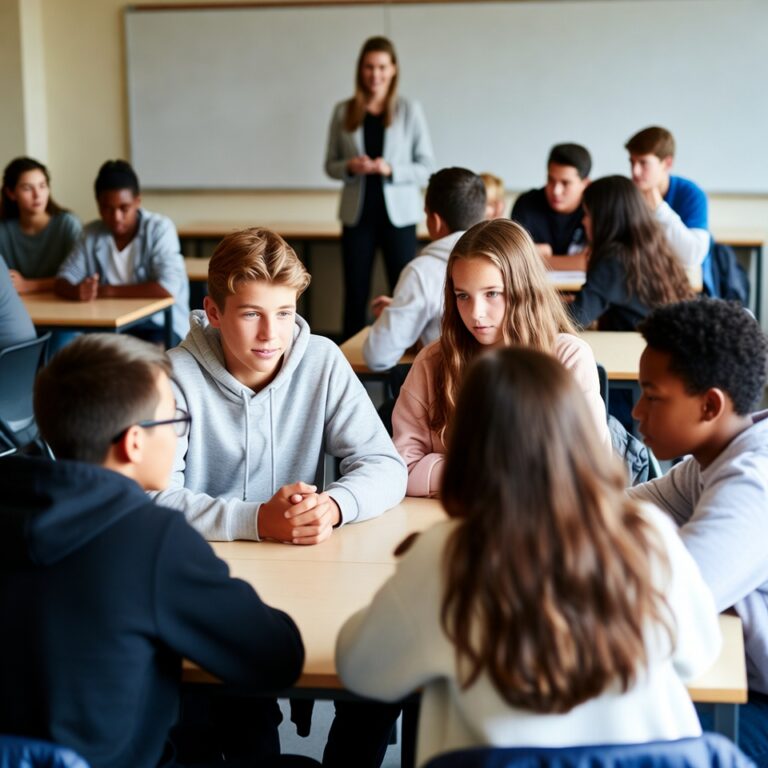
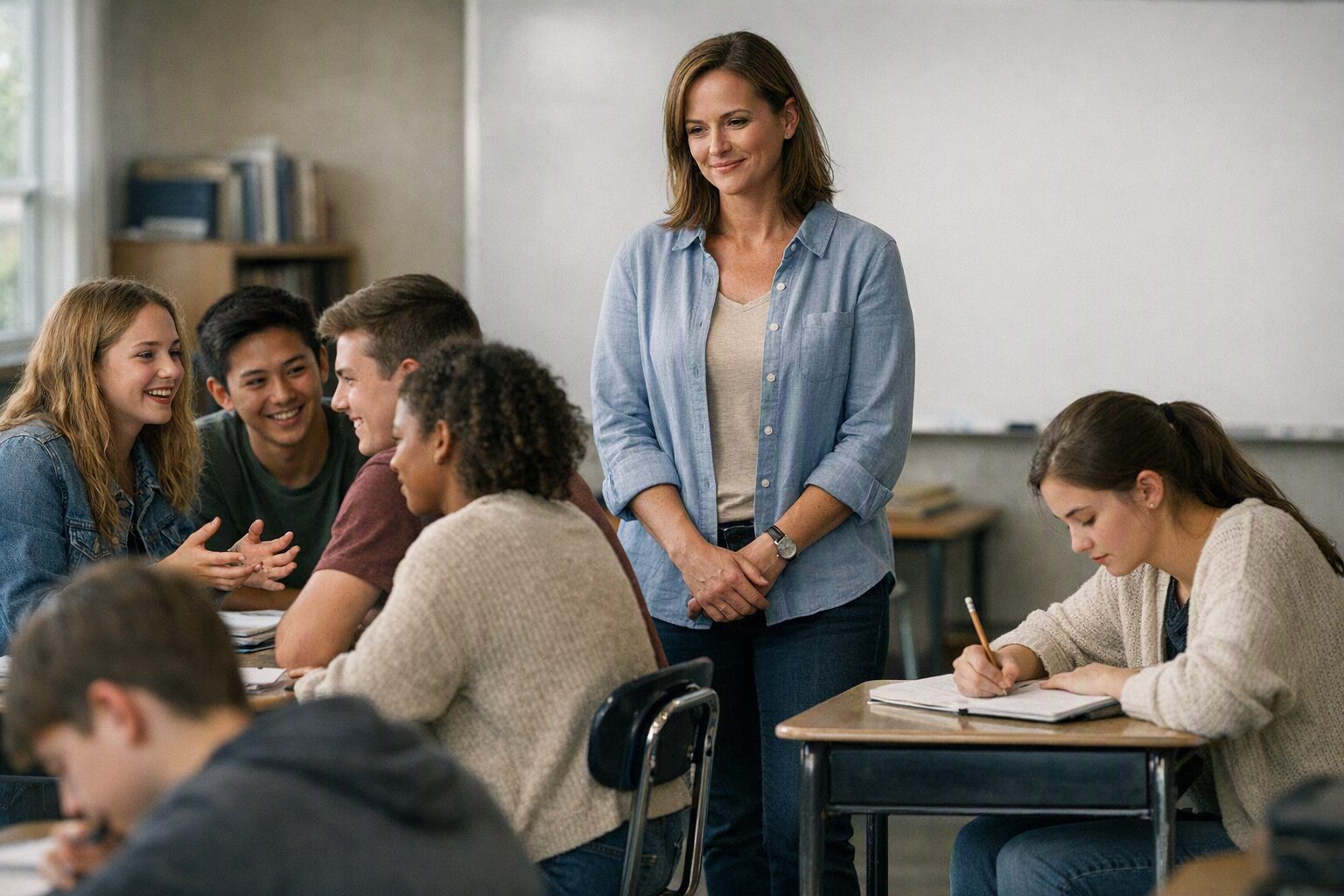
There is one thing we can safely say about teachers today. There are so many demands upon them, they are often exhausted.
I’d like to address the particular fatigue experienced by an introverted teacher in today’s article.
“I’m an introverted teacher with a grade eight class of 25 students. I’m sure most of them are extraverts. I’m exhausted. What can I do?”
First off, it’s normal for you to be exhausted in this situation. Don’t be surprised or blame yourself for running out of steam. Grade eight students are full of energy and new hormones. Twenty-five in one classroom is a lot to handle.
Here are two strategies that will make a world of difference for the introvert in an extraverted classroom environment:
1. Controlled opportunities for talk
Because extraverts learn best by talking about an idea, it is a good idea to create controlled opportunities for them to do so.
Controlled opportunities is the key idea here. If you plan the manner in which extraverts can be invited to talk and discuss, it will be much less exhausting. It will be much quieter and not so “out of control.”
An example of a controlled opportunity is to schedule group work into your daily plan. Following a silent reading or study period allows extraverts to “wake up” for one thing. Too long of a silent period, without movement, is as exhausting for the extravert as too much noise and activity is exhausting for the introvert.
Extraverts will be desperate to get up, move about, and talk to their friends. Let them.
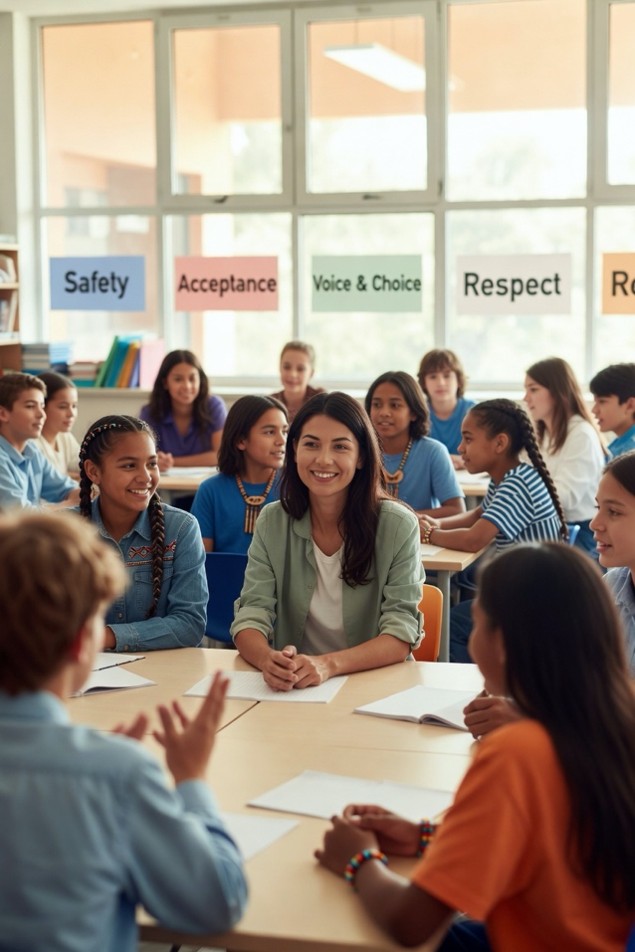
Personally, I recommend that the teacher select the group based on a common interest. This is to prevent the sad situation of someone not being picked. Such an event must be avoided, and it is the teacher’s responsibility to see to it that no one is left feeling “less than.”
Invite them to meet with four other students who may have, for example, read the same book or worked on the same topic, and discuss a few questions you have assigned.
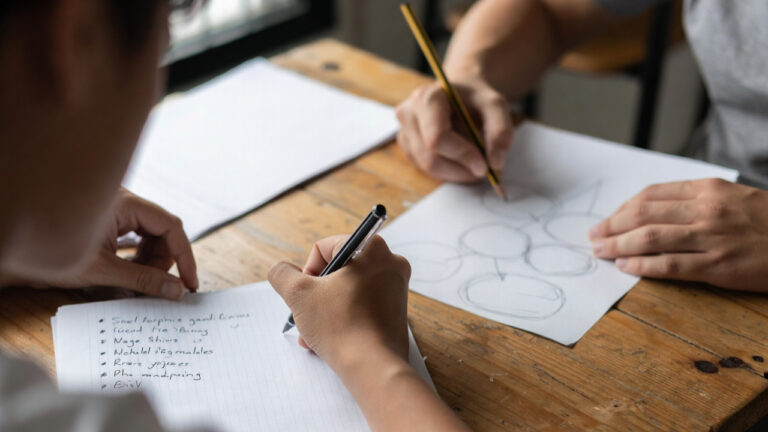
If you sense an introverted student would like to join that group, allow that to happen. Different roles can be assigned to different members of the group. An introvert will often choose to be a recorder, provided they aren’t expected to deliver the summary of the discussion to the whole class—unless they offer to do so.
And of course, there is always the option to work on their own.
Extraverts sometimes want to work on their own and sometimes introverts want to join their friends. The ideal is to allow students to choose without judgment being placed on the choice.
Knowledge of type does not dictate that the teacher must know their students’ preferences. Instead, it gives teachers an informed decision-making process in designing various choices, options, and opportunities for all students to do their best.
Introversion and Extraversion as Carl Jung defined them
Introversion is a reflective attitude; extraversion an action-oriented attitude.
The extravert wants to talk about an idea in order to understand it. The introvert wants time to think about it.
Both want the same thing—but one does it inside their own head and the other does it externally.
Introverts get energy internally.
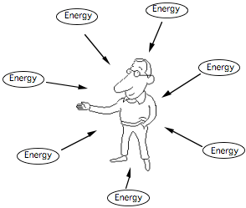
Extraverts get and give energy externally.
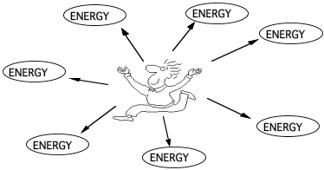
What the introvert needs is time to think.
What the extravert needs is opportunity to talk.
A real-life example of how this shapes learning
When I was completing my doctoral degree in Gainesville, Florida, we conducted an interesting experiment.
A grade ten class was given time in a very extensive library as a place to do research and study. It came to our attention that introverts outperformed extraverts on comprehension, retention, recognizing metaphors, and exploring new ideas.
Awareness of how extraverts prefer to learn resulted in several additions to the library. Small enclosed spaces were provided, and students were given the option of working in small groups to discuss their assignments.
It was not surprising that extraverted students did better once this opportunity for group work was introduced.
Students were then invited to talk about anything they wanted during their group sessions, challenging the “time on task” idea.
And to the astonishment of many, extraverts continued to do well—even when talking about unrelated topics.
This finding verified Jung’s claim that extraverts need to be active and interactive in order to perform at their best.
2. Build quiet time into your own day
This leads to the second strategy I would recommend.
Work quiet periods for reflection into your day.
You might do this during teaching by giving students a silent reading period.
You might do this during your lunch break—finding a quiet place to eat rather than joining the chatter in the staff room.
If it is impossible to arrange at school, be sure to create a quiet space at home.
It can be a challenge to juggle work and family and still have time for yourself. However, paying attention to your personal need for “alone” time will give you more energy to deal with all the activity a busy life demands.
Conclusion
In conclusion, embrace your introversion by:
- Providing controlled opportunities for extraverted students to be active and verbal
- Creating quiet, reflective time for yourself
If you would like to use my observation instrument to determine extraversion and introversion in your classroom, you can purchase it here: https://www.amazon.ca/Teachers-Guide-Cognitive-Theory-Learning/dp/0871202786