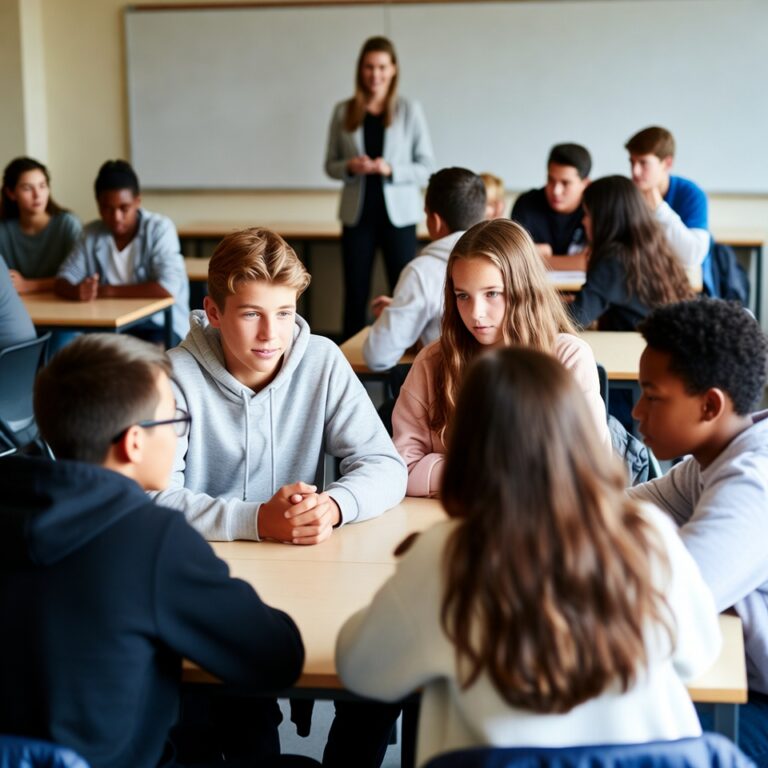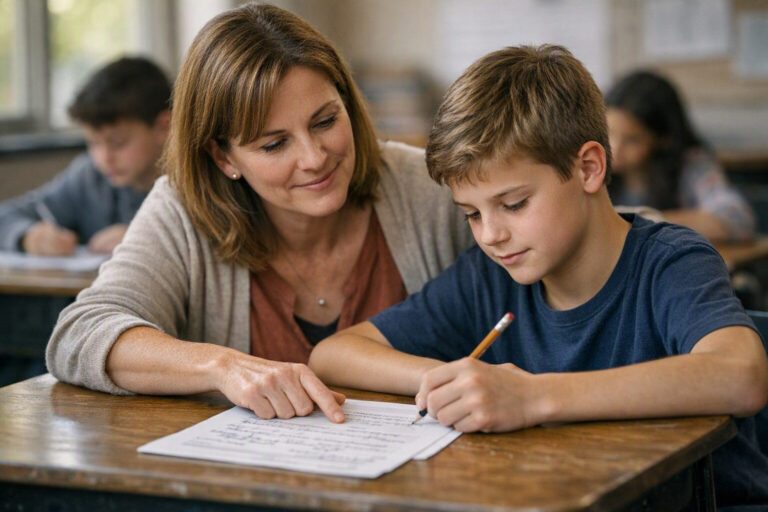
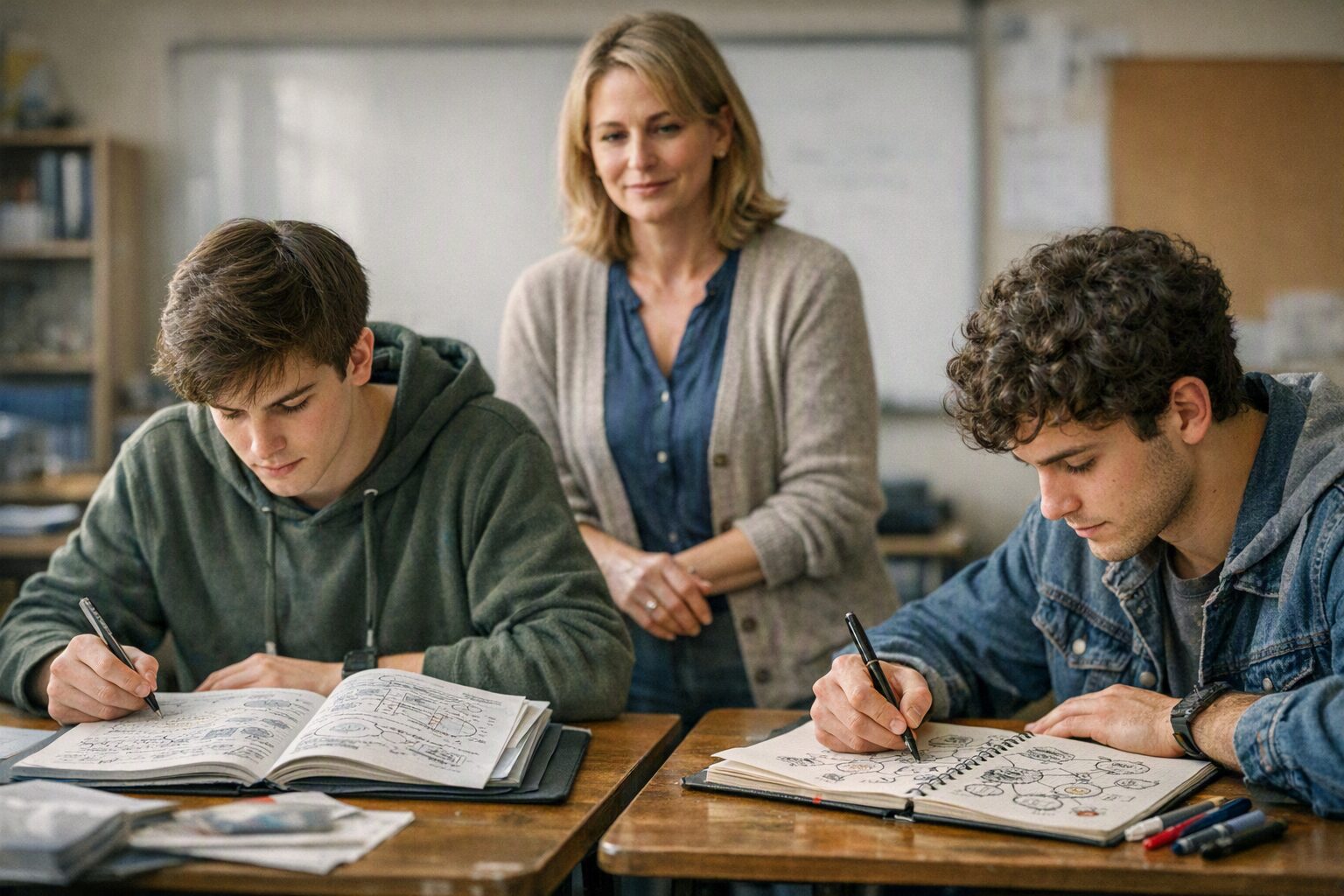
There has been a great deal written about learning styles—and with good reason. Human beings do not all take in the world in the same way.
As teachers, we sense this intuitively, even if we do not always have the language to describe it.
When we ask, “What is the most important difference a teacher should pay attention to?” there is no single right answer.
But there is, I believe, one difference that stands out as foundational.
Sensation and Intuition: Two Ways of Knowing the World
Drawing on Jungian psychological theory and the work of Isabel Myers, I return again and again to the distinction between sensation and intuition.
These are not learning styles in the trendy sense. They are two fundamentally different ways of perceiving reality.
Sensation
Sensation is a direct, concrete way of perceiving. It focuses on what is here and now—facts, details, specifics.
Sensing students:
- Prefer clarity and structure
- Learn step-by-step
- Move carefully from the known to the unknown
- Want practical application
It is estimated that as many as 75% of students in elementary and secondary schools are sensing types.
They learn best when:
- Instruction is broken into manageable steps
- There is time for practice and repetition
- Learning connects to real, practical outcomes
They tend to struggle when:
- Theory is abstract or disconnected
- Expectations are unclear
- Evaluation relies heavily on inference or interpretation
Intuition
Intuition, by contrast, scans rather than focuses.
It looks for:
- Patterns
- Relationships
- Possibilities
Intuitive students ask:
“What could this become?”
They:
- Enjoy big ideas and concepts
- Thrive on exploration and connections
- Prefer variety over repetition
- Often work in bursts of energy
They may struggle with:
- Repetition
- Detail-heavy instruction
- Tasks with no clear larger purpose
There Is No Better—Only Different
These are not better-or-worse distinctions.
They are simply different.
The challenge is this:
Many teachers—especially at secondary and post-secondary levels—prefer intuition. Without realizing it, we often teach in ways that reflect our own learning preferences.
We emphasize:
- Meaning over detail
- Ideas over process
- Exploration over structure
And unintentionally, we may leave many students struggling.
The Teacher’s Blind Spot
One of the most persistent illusions in education is this:
Students learn the way we do.
They don’t.
- Sensing teachers build structured, step-by-step learning
- Intuitive teachers build meaning-driven, exploratory learning
Neither is wrong.
But neither is universal.
The Answer Is Choice
In my own classrooms, the most effective solution was simple:
Offer choice.
I used a contract-learning approach:
- Students chose a topic
- Explained why it mattered
- Designed how they would demonstrate learning
- Reviewed their ideas with me
It worked beautifully.
Why?
Because it honoured difference.
- Sensing students could work with structure and facts
- Intuitive students could explore ideas and connections
Most importantly:
It returned agency to the learner.
Balancing the Classroom
A balanced classroom includes both:
- Questions that reward accuracy and detail
- Questions that invite interpretation and possibility
Even better:
Ask students to create the questions themselves.
You will quickly see how learning style shapes curiosity.
Teaching Is Also a Moral Act
Students spend most of their school lives trying to make sense of material chosen by others.
Teachers:
- Decide what matters
- Decide how it is assessed
- Decide when it is complete
Students rarely get to decide.
But once we understand that students perceive the world differently, we are no longer neutral.
We are making a choice.
And fairness demands more.
Where Strength Begins
Students should not always be forced to learn in ways that are unnatural to them.
Especially:
- When they are just beginning
- When confidence is fragile
- When success matters most
Let them start where they are strongest.
Exploration of other approaches should come later—when confidence allows it.
Learning From Each Other
When sensing and intuitive students work together, something powerful happens:
- Difference becomes visible
- Understanding grows
- Respect develops
This, too, is education.
A Classroom Story
I remember working with my daughter when she was in Grade 10.
Her class was studying Paul’s Case.
She moved quickly through factual questions—but stopped on one:
What would happen if Paul had returned home instead of dying?
She was frustrated.
“There’s no right answer. I could make up anything.”
She was right—from her perspective.
As someone who prefers sensation, she needed facts first.
So I asked her:
“Write down everything you know about Paul.”
She did.
Then I said:
“Now, based on those facts, what would he do?”
Suddenly, the question made sense.
Her response?
“Then why didn’t the teacher say so?”
Exactly.
Clarity Matters
This is not about intelligence.
It is about perception.
- Intuition often feels like guessing to sensing students
- Sensation can feel limiting to intuitive students
But neither is wrong.
They are simply different ways of making sense of the world.
Final Thought
If students spend most of their time in perception mode, then how they perceive matters deeply.
Honouring that difference may be:
One of the most important—and most ethical—acts of teaching we can offer.