Glasser’s Needs Theory
A few email discussions ago, we focused on sharing power in the classroom. I made the case that students are more successful when given the opportunity to make decisions about what they choose to study and how they intend to demonstrate that learning. According to William Glasser, educator and psychologist, having control over one’s own life is probably one of the six needs that drive human behaviour.
Glasser maintains that we all have a mental notion of what meeting each of our needs will look like. Each of us will have a different idea from those around us.
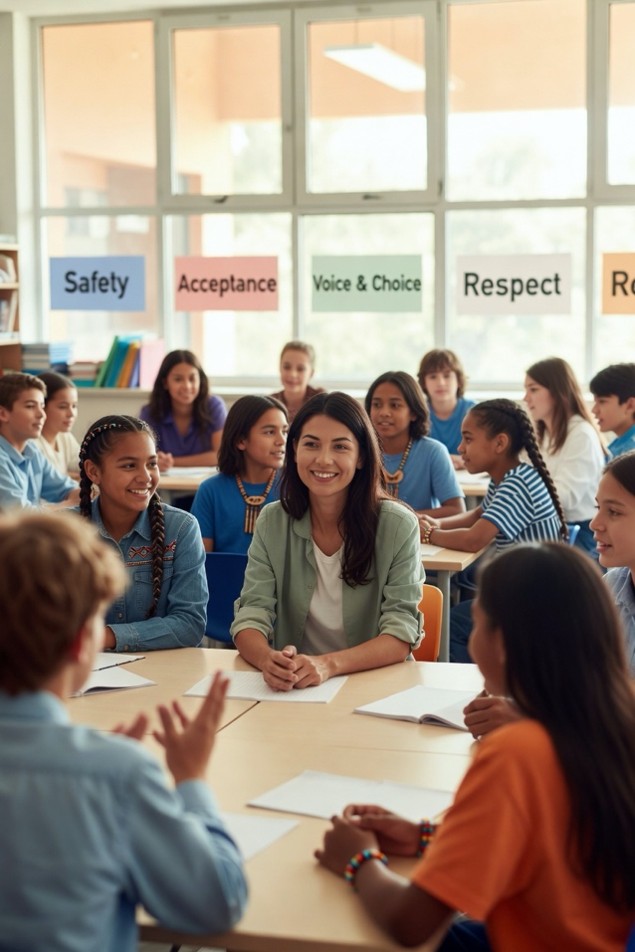
Two needs that must be in place before we can experience a sense of personal power in the classroom are security and acceptance. What might security look like to a student? Being able to stay inside at recess if one is afraid of being bullied could be how a student might perceive safety. Not being criticized in front of one’s classmates would be needed by most students for them to feel a sense of security or safety.
It is the responsibility of the teacher to work hard to ensure that students in their charge feel safe in their classroom. And the playground. This is especially true in elementary school. Physical safety is what many think of when safety is discussed. However, emotional safety is just as important and is more difficult to ensure.
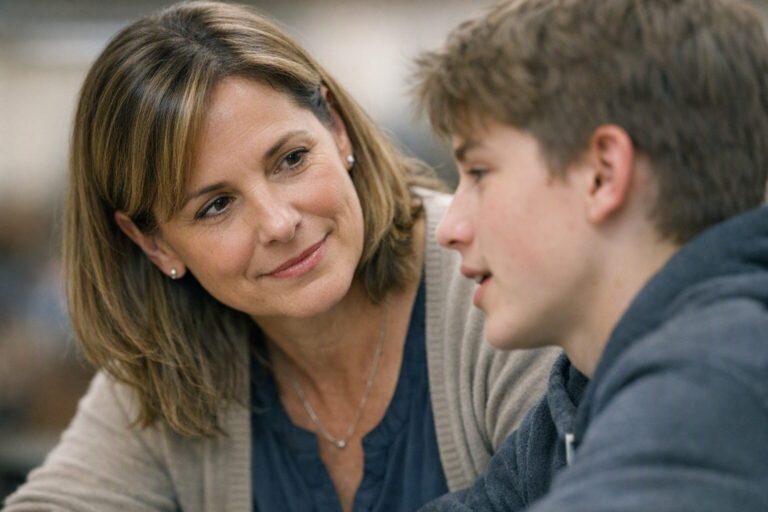
It takes a certain kind of awareness, a sensitivity, to recognize what might cause a student to feel insecure. It takes time and the desire to pay attention to each student’s reactions to different situations.
How can I be expected to have this kind of awareness and teach the curriculum too?
Strategies to Discover Student Perceptions
I will outline a few strategies the teacher can use.
My favourite is to give students writing assignments that give me clues as to their needs around safety. “Write about a time you felt afraid — a few paragraphs is enough.”
Give classmates an opportunity to share different things that are scary in their worlds – this works in any class, not just the English classroom.
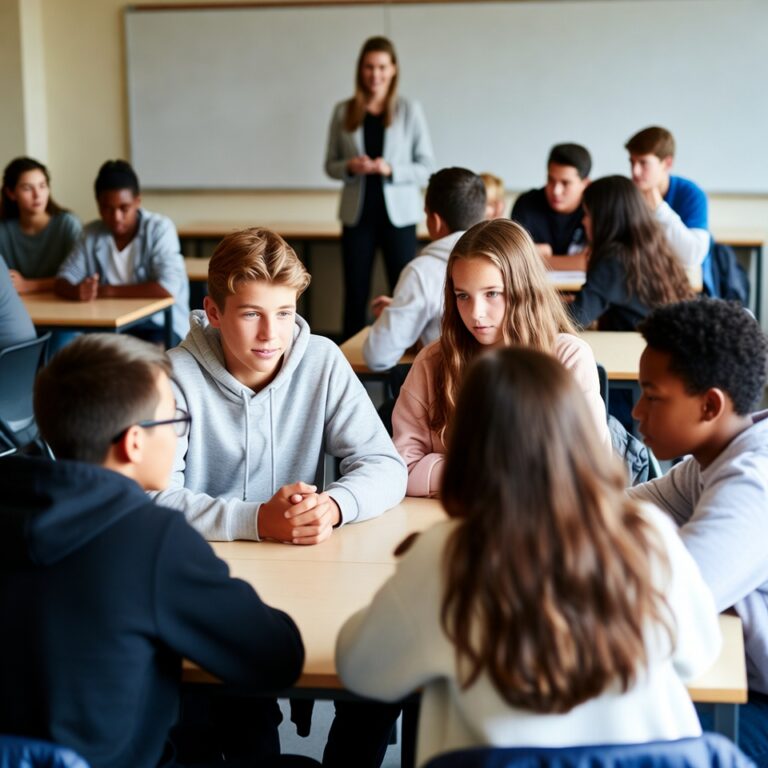
Having “discussion” sections every week or so, where students can bring up issues around life in a classroom. Such opportunities work only when the teacher has established an atmosphere of caring and accepting, of listening without judgment.
If the teacher is willing to share their own feelings of fear and safety, this opens doors while demonstrating a commonness — We all feel more safe in certain places. And unsafe in others.
Transparency is an obvious strategy. Teach the class Glasser’s needs theory. Talk about the basic needs. Ask direct questions: What makes you feel safe in a school? What makes you feel unsafe? What do we (including the teacher) all do to make everyone feel safe?
Can we make a list of things we can do and things we won’t do? Which one on this list will we start with?
Materials the teacher and/or the students bring to the classroom can give us information if we look for it. Finding stories about feeling safe and feeling insecure, and reading them together, followed by meaningful general discussions, can trigger meaningful conversations.
Movies work even better.
In a history class you might assign such tasks as examining conditions existing in a specific time period which caused fear amongst the citizens.
Or, even closer to home, during political science class, you might ask, “Which leader in Canada has worked diligently to make citizens feel safe? How did they do it? Do you think it worked?
The point I’m trying to make is that when students feel secure, they will be more creative, concentrate better, take risks, be more adventurous. Any time spent on becoming aware of the social climate is time well spent.
Frequently asked questions
What does Glasser’s needs theory say about safety in the classroom?
William Glasser described six human needs. Security and acceptance must be in place before students can feel personal power, and teachers are responsible for both physical and emotional safety.
How can teachers find out what makes students feel safe?
Ask students to write about a time they felt afraid, hold regular class discussions, share your own feelings, teach Glasser’s theory and ask direct questions, and read stories or watch films that open the conversation.